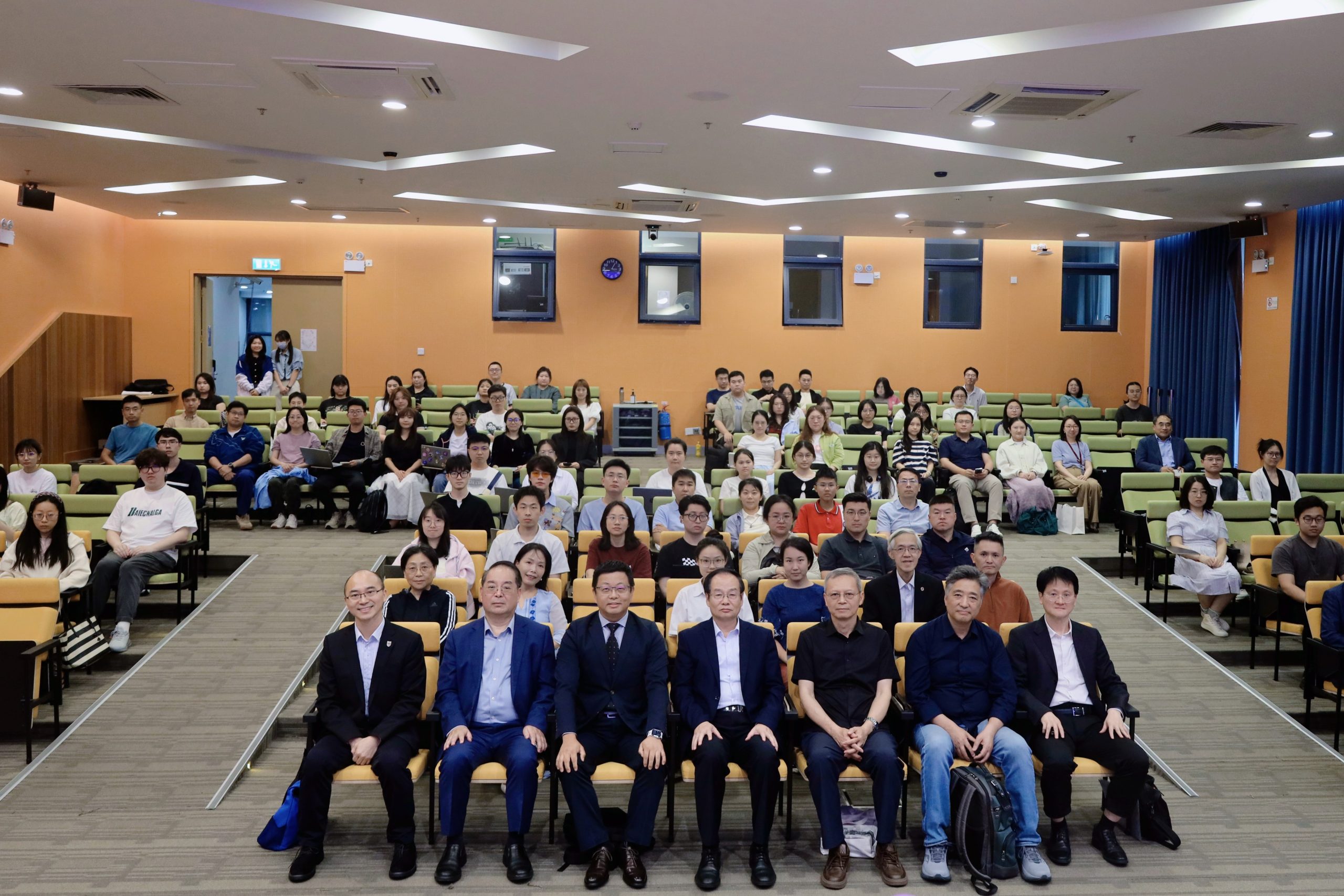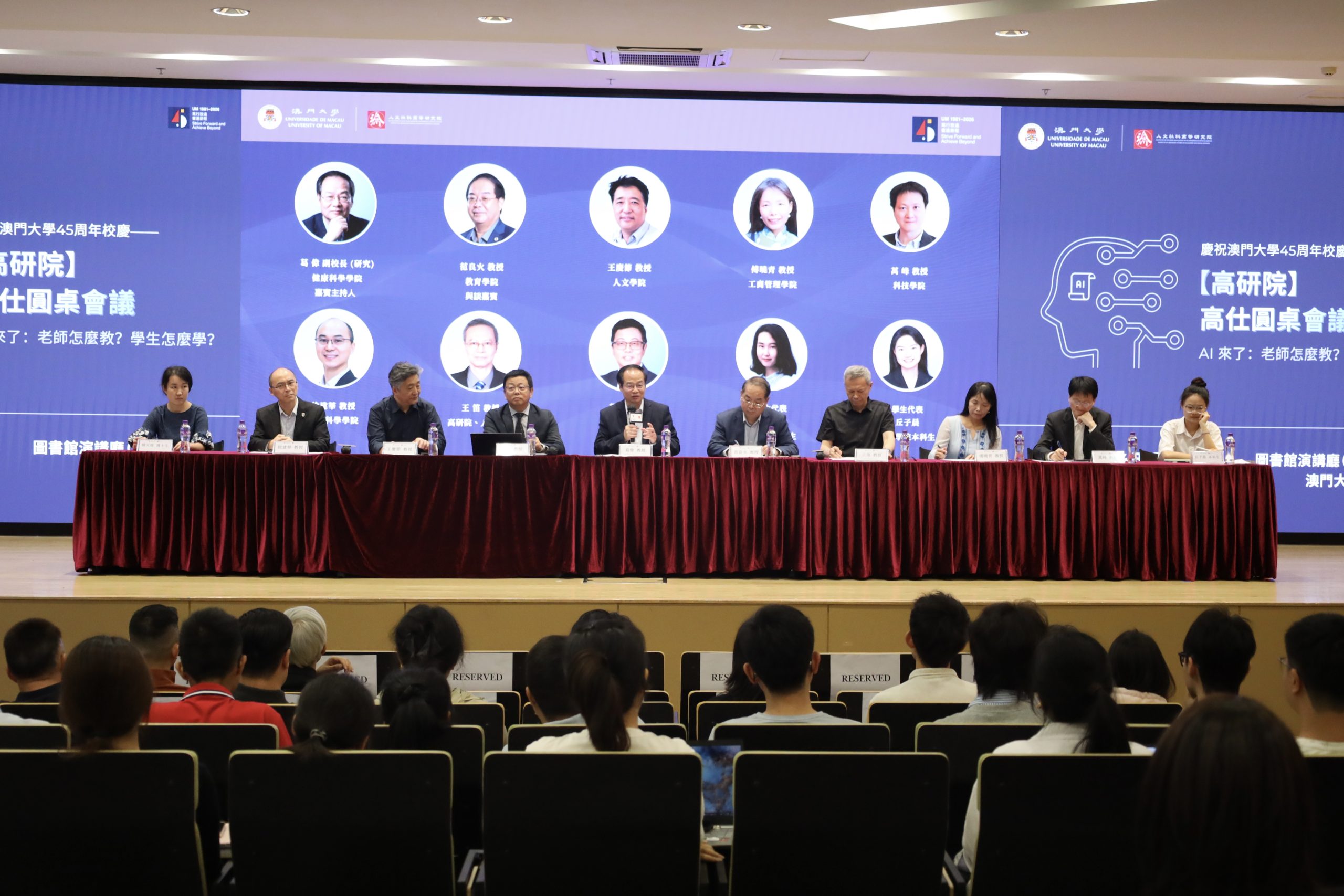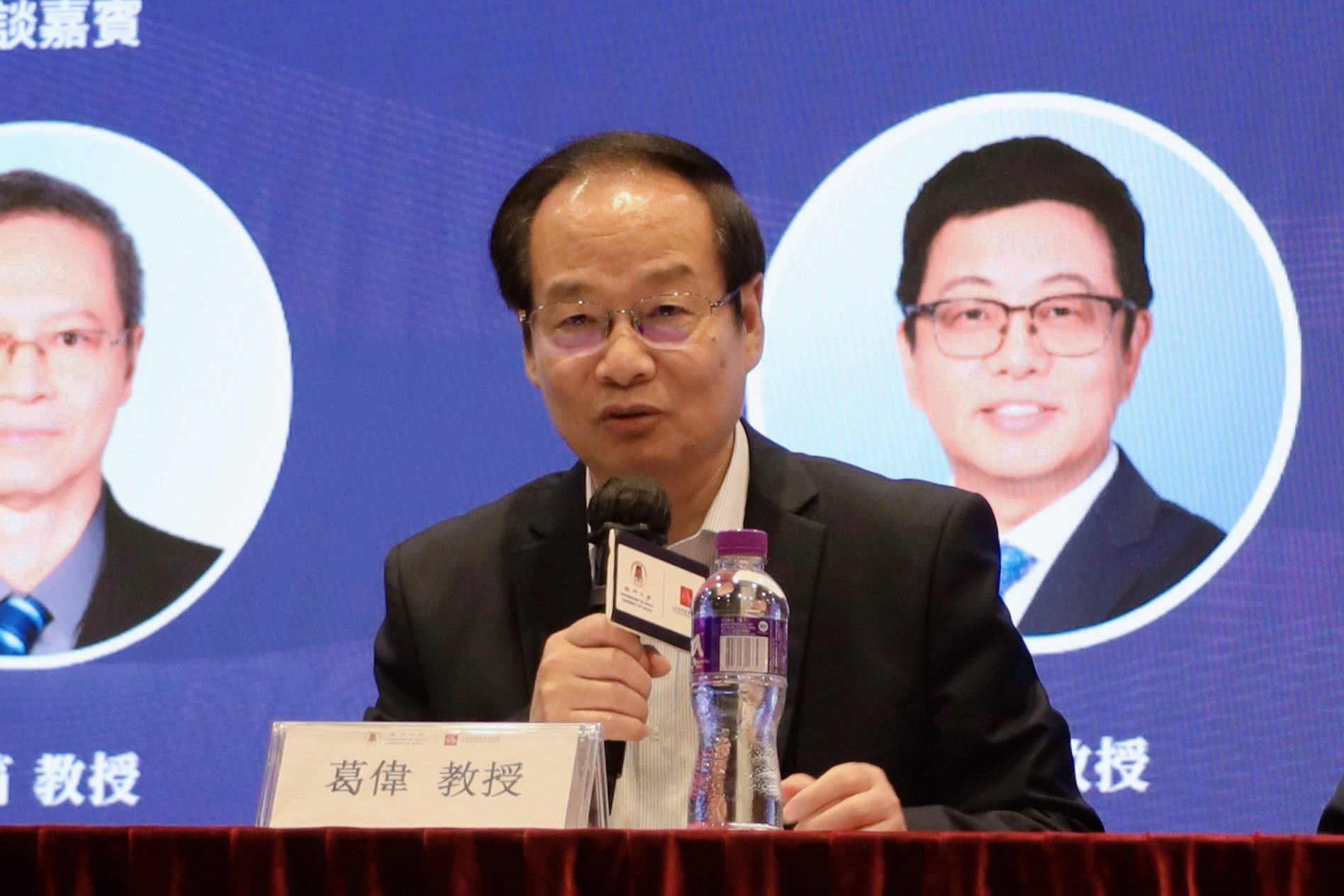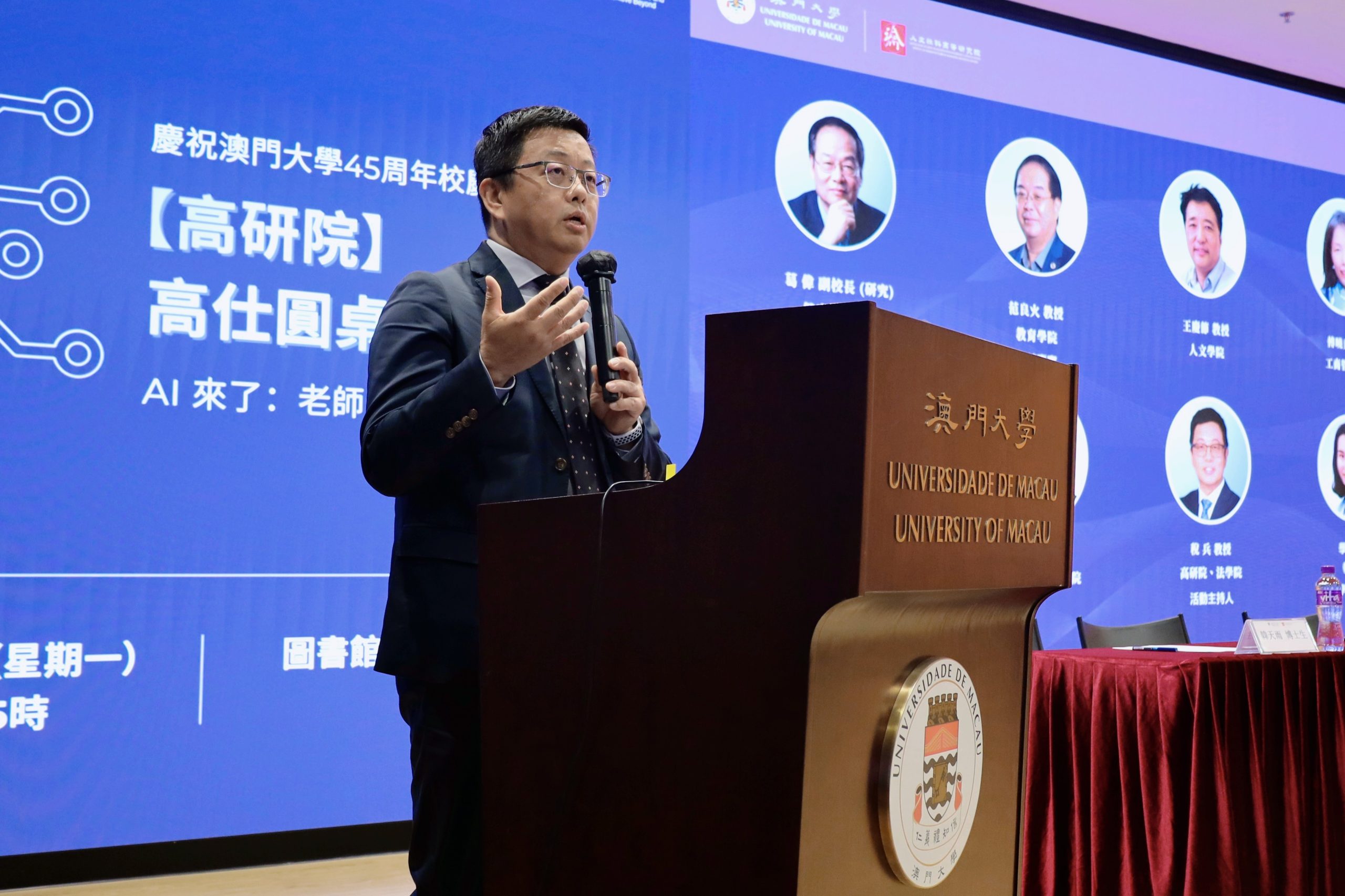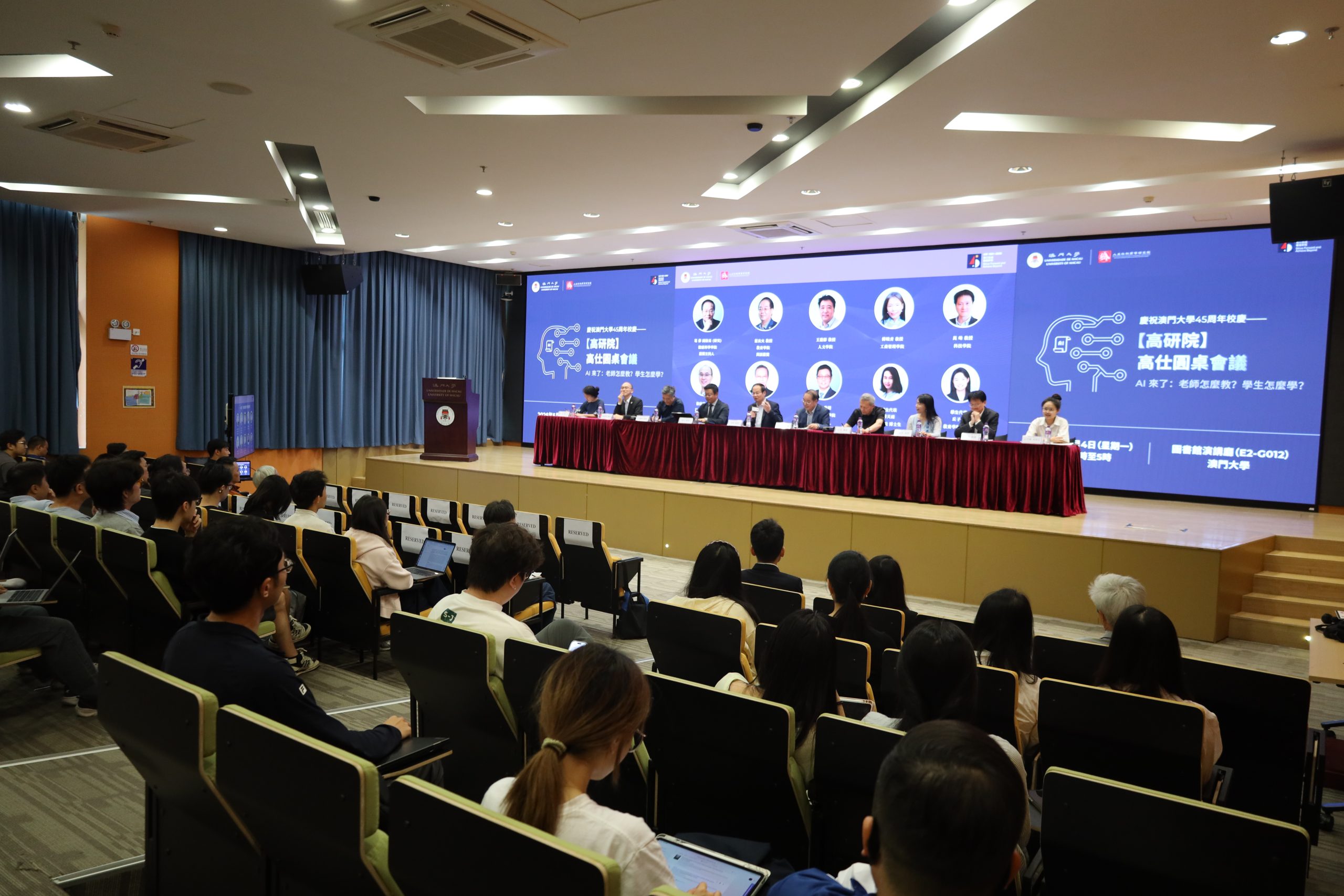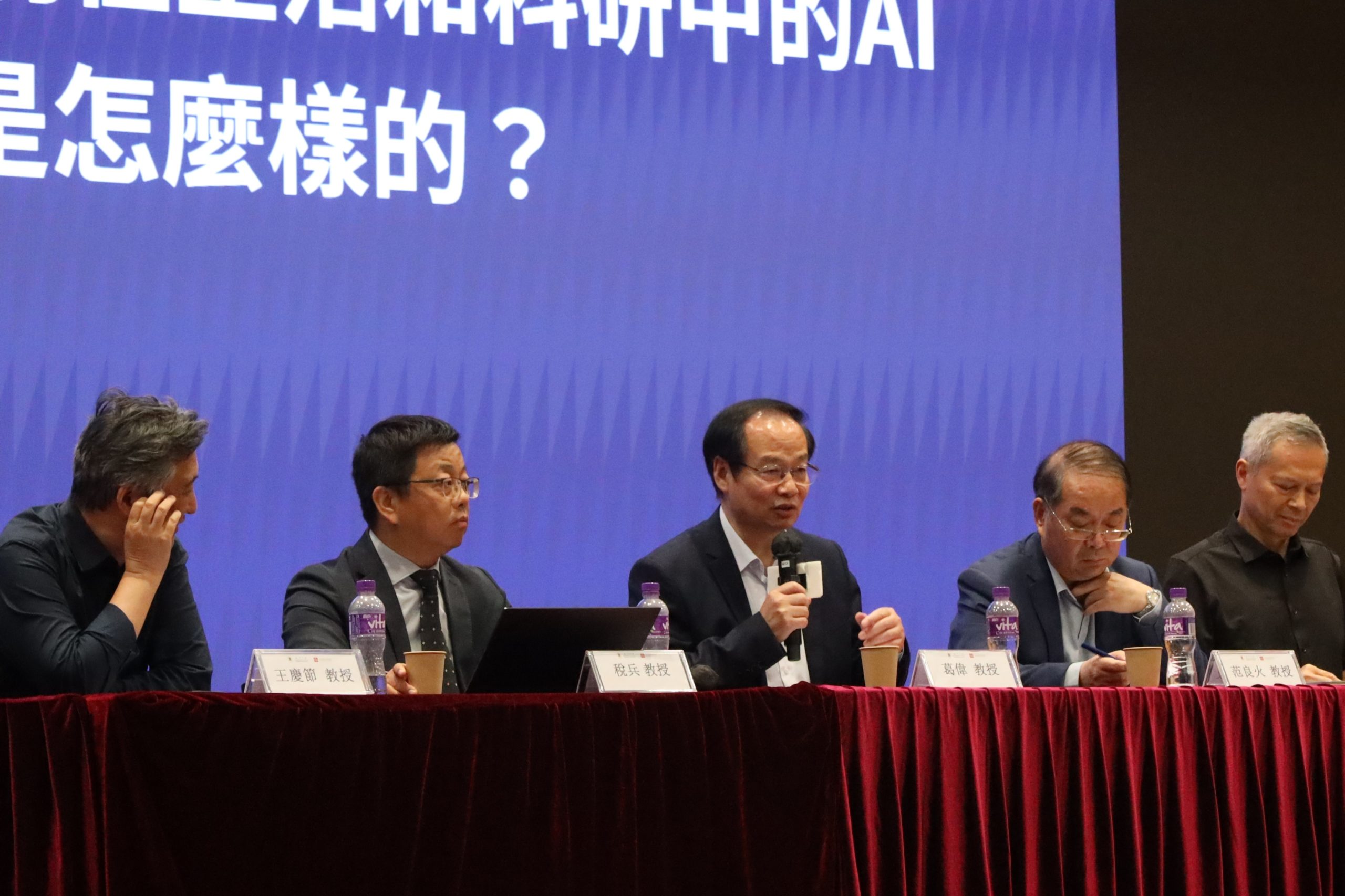
On 4 May 2026, the Institute of Advanced Studies in Humanities and Social Sciences (IAS) at the University of Macau successfully hosted the IAS Roundtable Discussion titled “AI Is Here: How Do Teachers Teach? How Do Students Learn?”
On 4 May 2026, the Institute of Advanced Studies in Humanities and Social Sciences (IAS) ?”
Video Recap
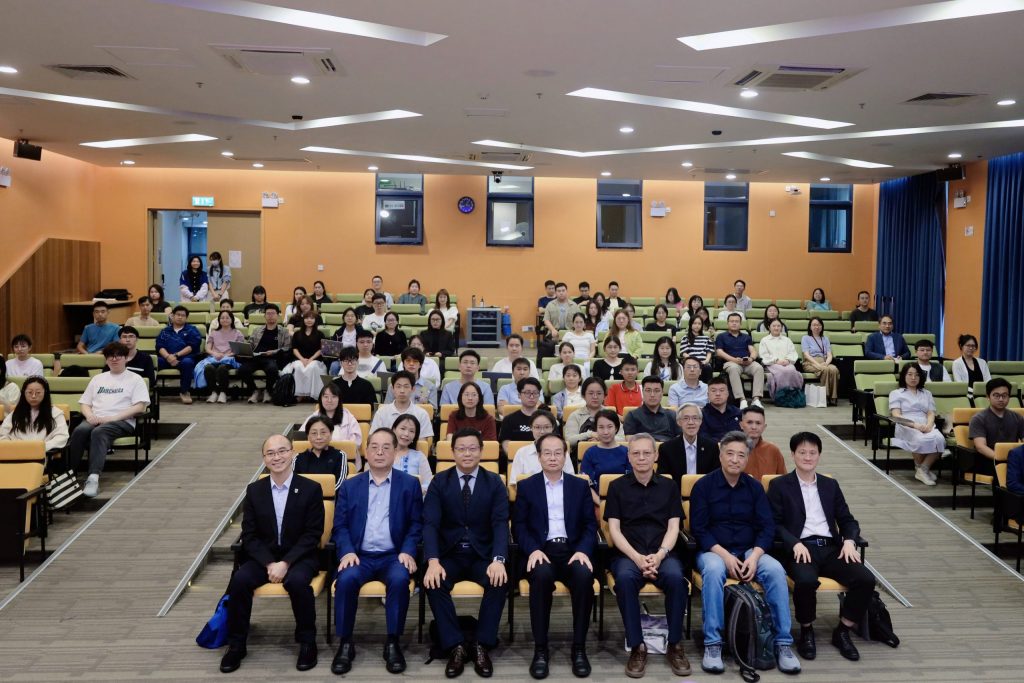
On 4 May 2026, the Institute of Advanced Studies in Humanities and Social Sciences (IAS) at the University of Macau successfully hosted the IAS Roundtable Discussion titled “AI Is Here: How Do Teachers Teach? How Do Students Learn?” at the UM Library Auditorium (E2-G012). The event aimed to explore the impact of artificial intelligence on teaching and learning in higher education from an interdisciplinary perspective, while creating a platform for dialogue and exchange between academic scholars and young students.
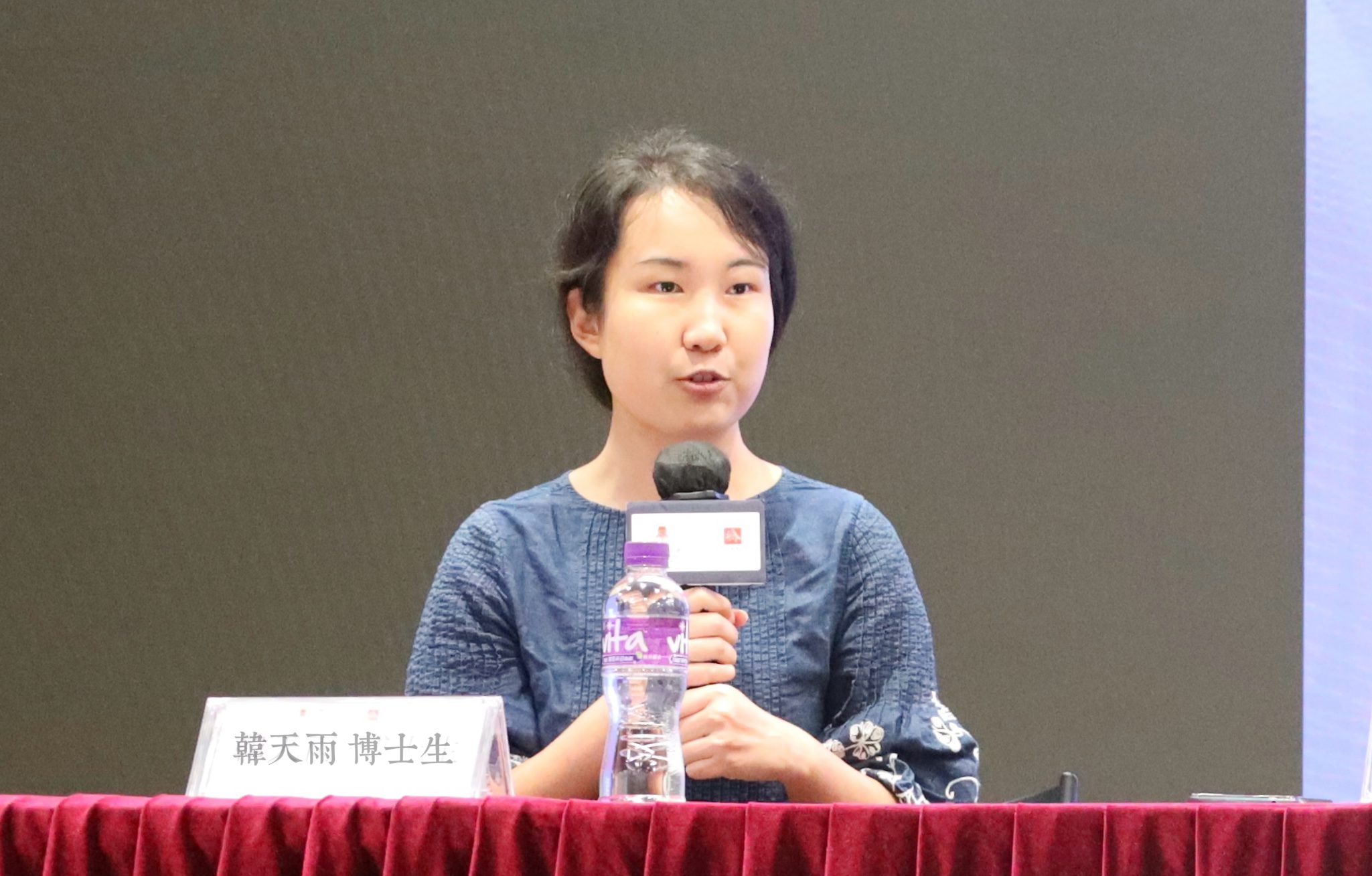
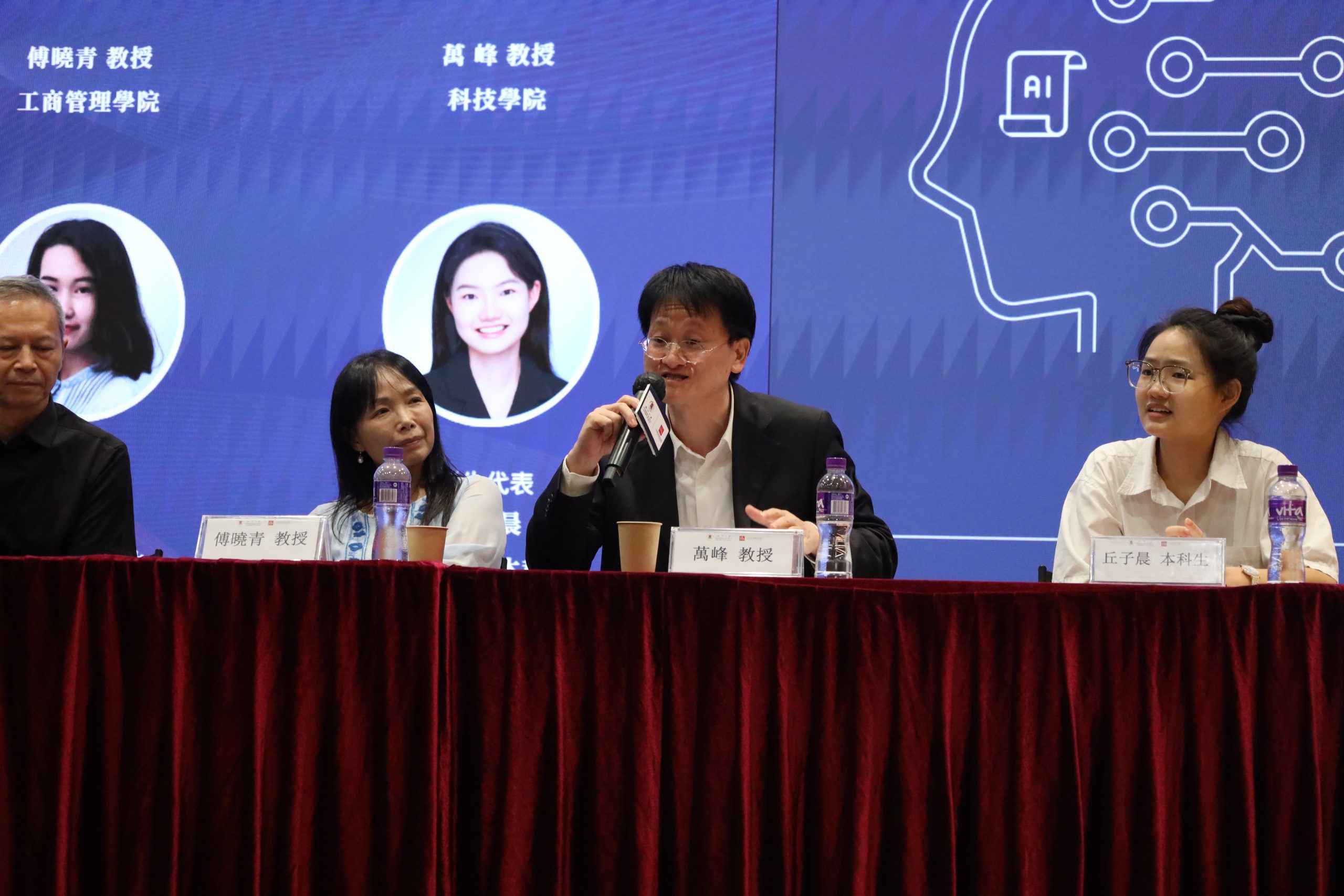
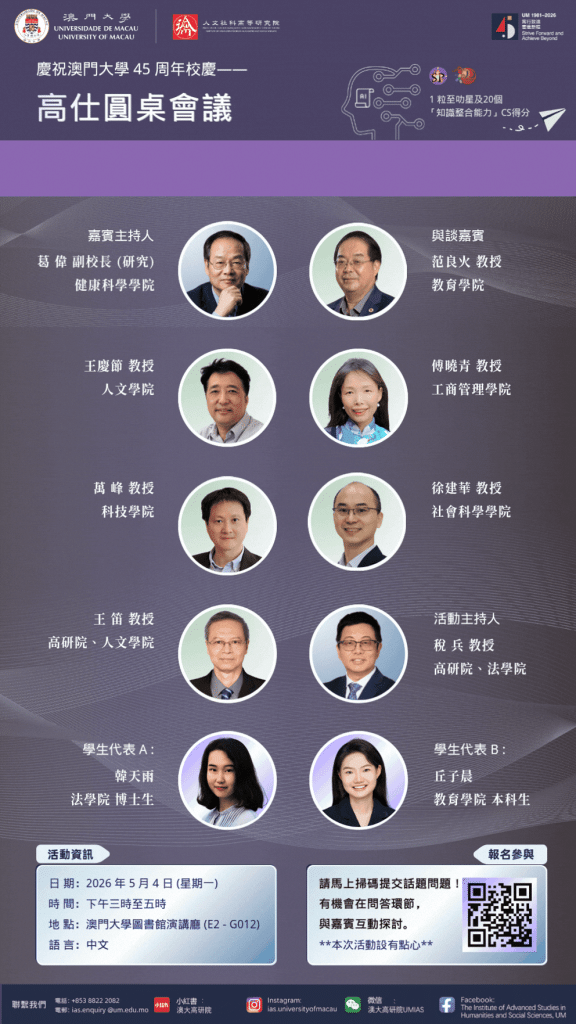
The Roundtable was moderated by Prof. Wei Ge, Vice Rector (Research) and Chair Professor at the Faculty of Health Sciences (FHS), who served as the Guest Moderator, and Prof. Bing Shui, Associate Director of IAS and Professor at the Department of Global Legal Studies, Faculty of Law (FLL), who acted as the Event Moderator. The panel of discussants included distinguished scholars from various disciplines: Prof. Lianghuo Fan, Dean and Chair Professor of the Faculty of Education (FED), Prof. Qingjie Wang, Distinguished Professor at the Department of Philosophy and Religious Studies, Faculty of Arts and Humanities (FAH), Prof. Xiaoqing Fu, Professor at the Department of Finance and Business Economics, Faculty of Business Administration (FBA), Prof. Feng Wan, Associate Professor at the Department of Electrical and Computer Engineering, Faculty of Science and Technology (FST), Prof. Jianhua Xu, Associate Professor at the Department of Sociology, Faculty of Social Sciences (FSS), and Prof. Di Wang, Associate Director of IAS and Chair Professor at the Department of History, FAH. Two student representatives were selected from applicants to join the discussion with scholars. They are Tianyu Han, a PhD student in FLL, and Zichen Qiu, an undergraduate student in FED.
Drawing from their respective research expertise and teaching practices, the guest scholars analyzed the impact and transformation artificial intelligence is bringing to traditional teaching models from an interdisciplinary perspective. They shared their observations and reflections on how AI can empower higher education. The discussion covered key topics such as the evolution of AI technology, the transformation of teaching methods and spatial restructuring, the formulation of academic integrity guidelines in universities, and the cultivation of digital literacy in the AI era. It also delved into pressing issues such as the development of AI literacy among teachers and students, the challenges to educational equity posed by technological advancement, and the application of AI in age-friendly settings.
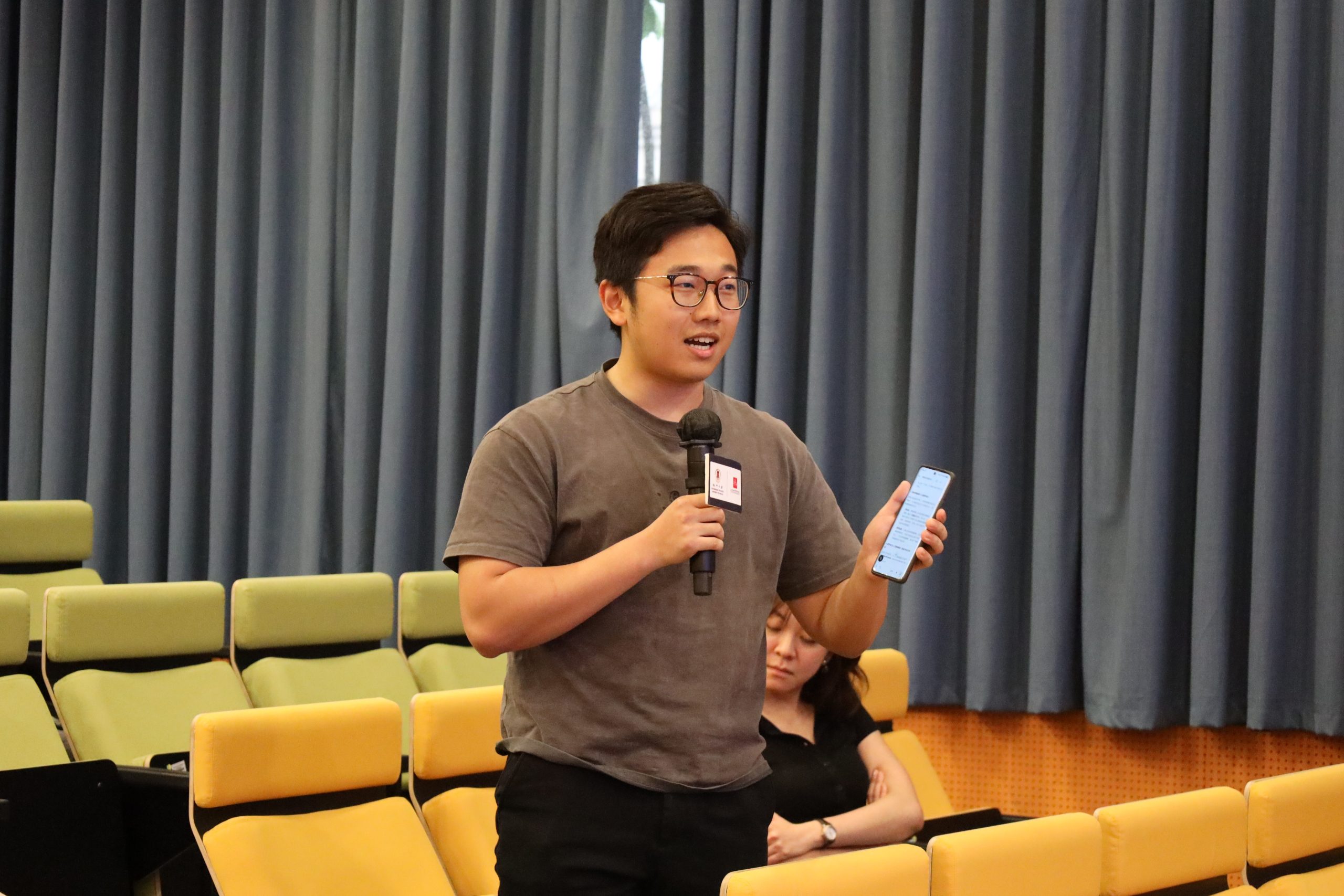
The two student representatives shared insights from a youth learning perspective: in the context of academic research and learning, they elaborated on their practical experiences with AI tools for research framework construction and academic English refinement, demonstrating the supportive role of AI in academic training; from an internship observation standpoint, they presented the prevalent reliance on AI for learning in basic education, providing an additional perspective on foundational education. The roundtable fostered a vibrant academic atmosphere, with attendees actively engaging in discussions, raising questions based on their own teaching and learning experiences, and interacting with the guest scholars and student representatives.
The roundtable attracted over 130 participants, including faculty, students, and members of the public from both within and outside the university. It not only facilitates academic exchanges and sustains ongoing attention on AI among scholars and young learners but also provides a diverse range of perspectives on the future of AI-driven educational development at the University of Macau and across the broader Macao region.