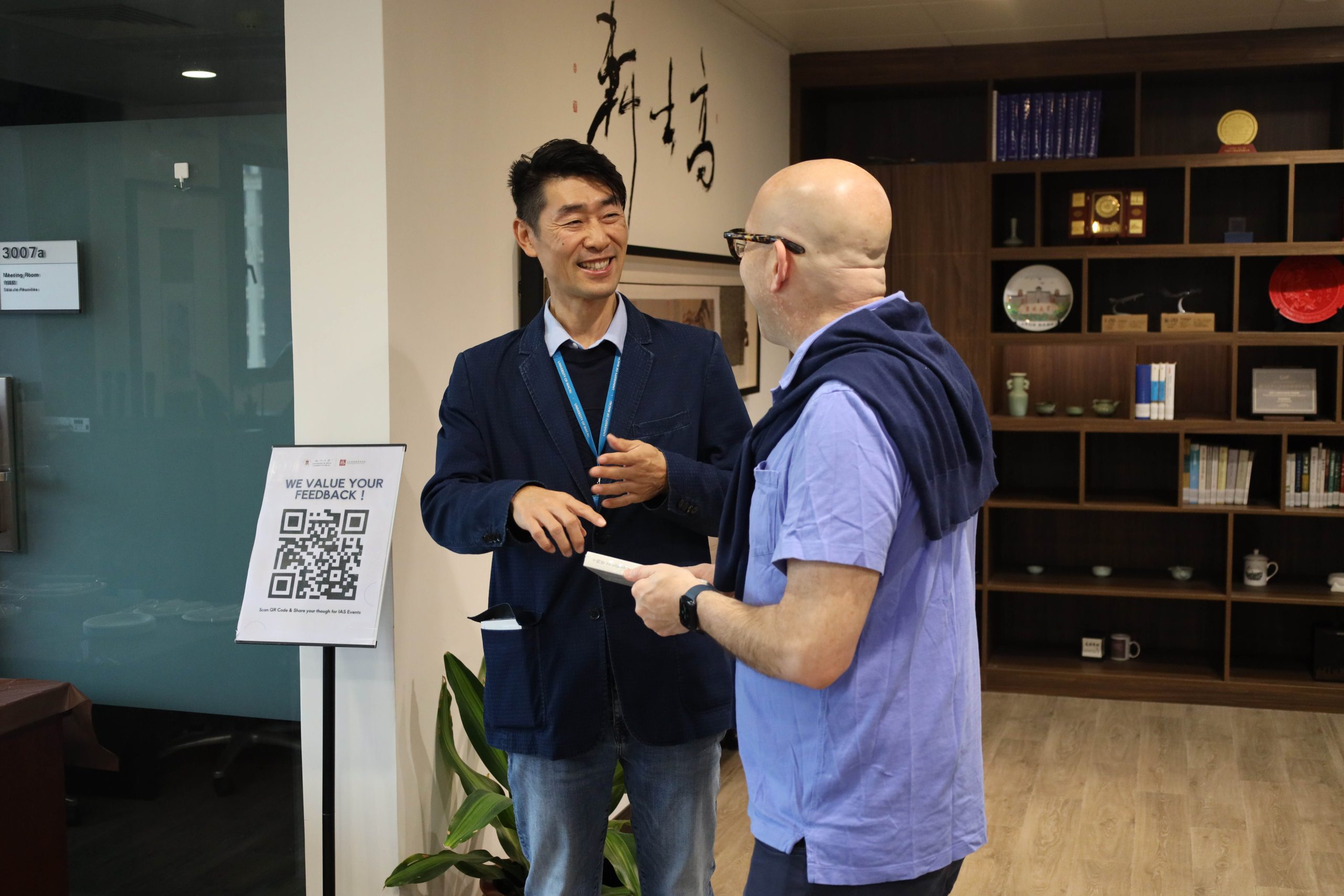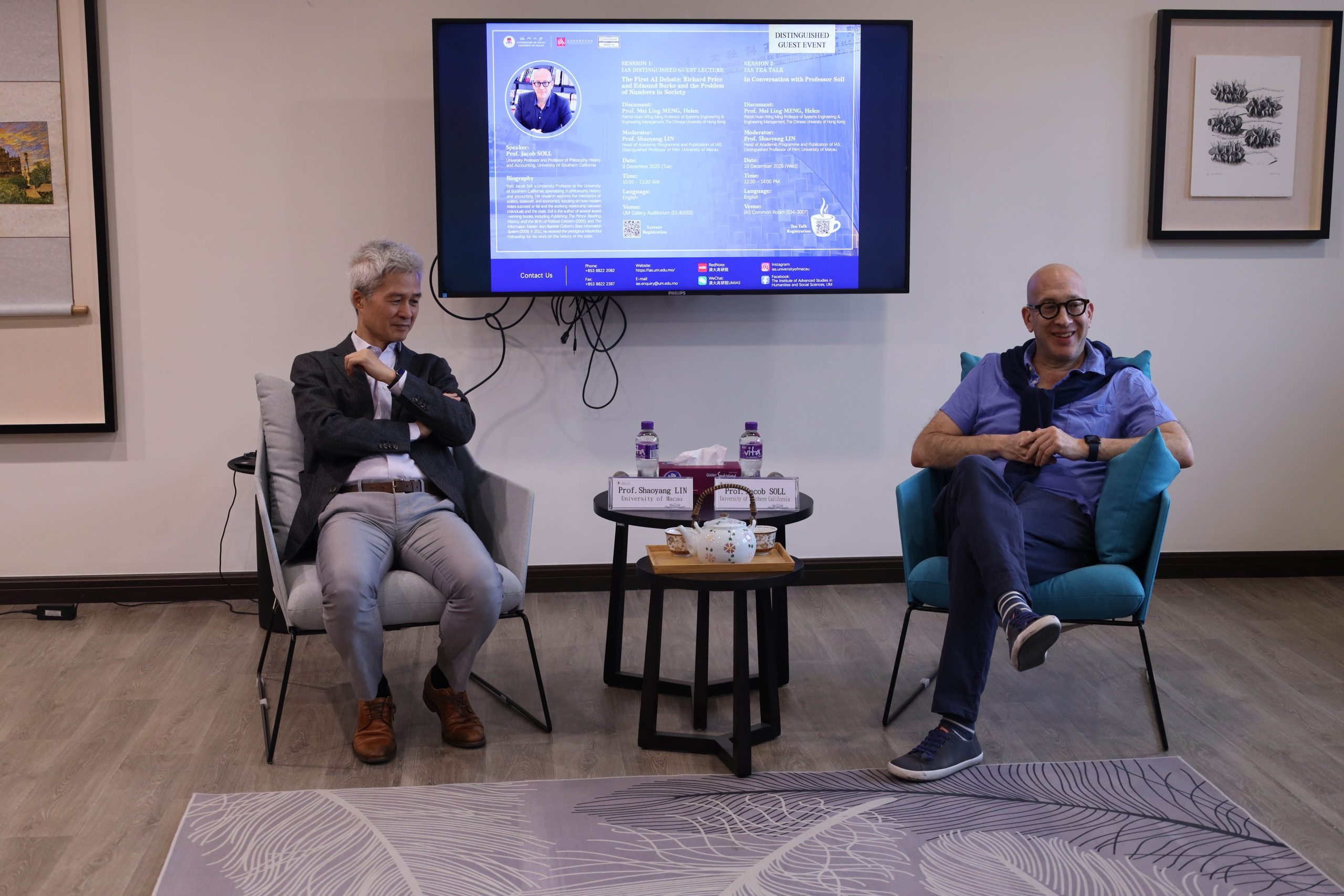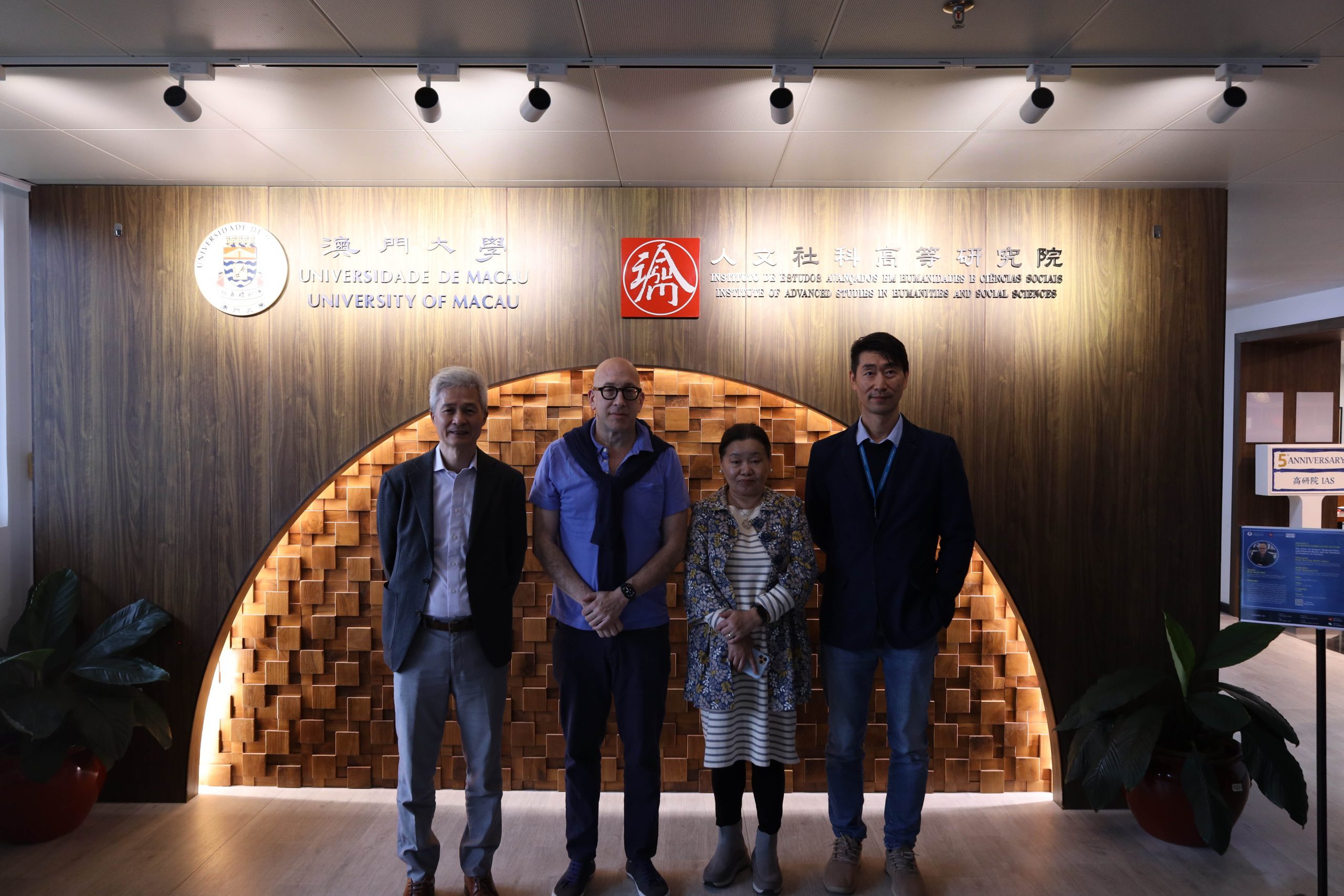
On December 10, the Institute of Advanced Studies in Humanities and Social Sciences (IAS) at University of Macau successfully hosted the tea talk session in conversation with Professor Jacob SOLL, who is a university professor and professor of Philosophy, History and Accounting at University of Southern California. Professor Shaoyang LIN, Head of Academic Programme and Publication of IAS, served as moderator.
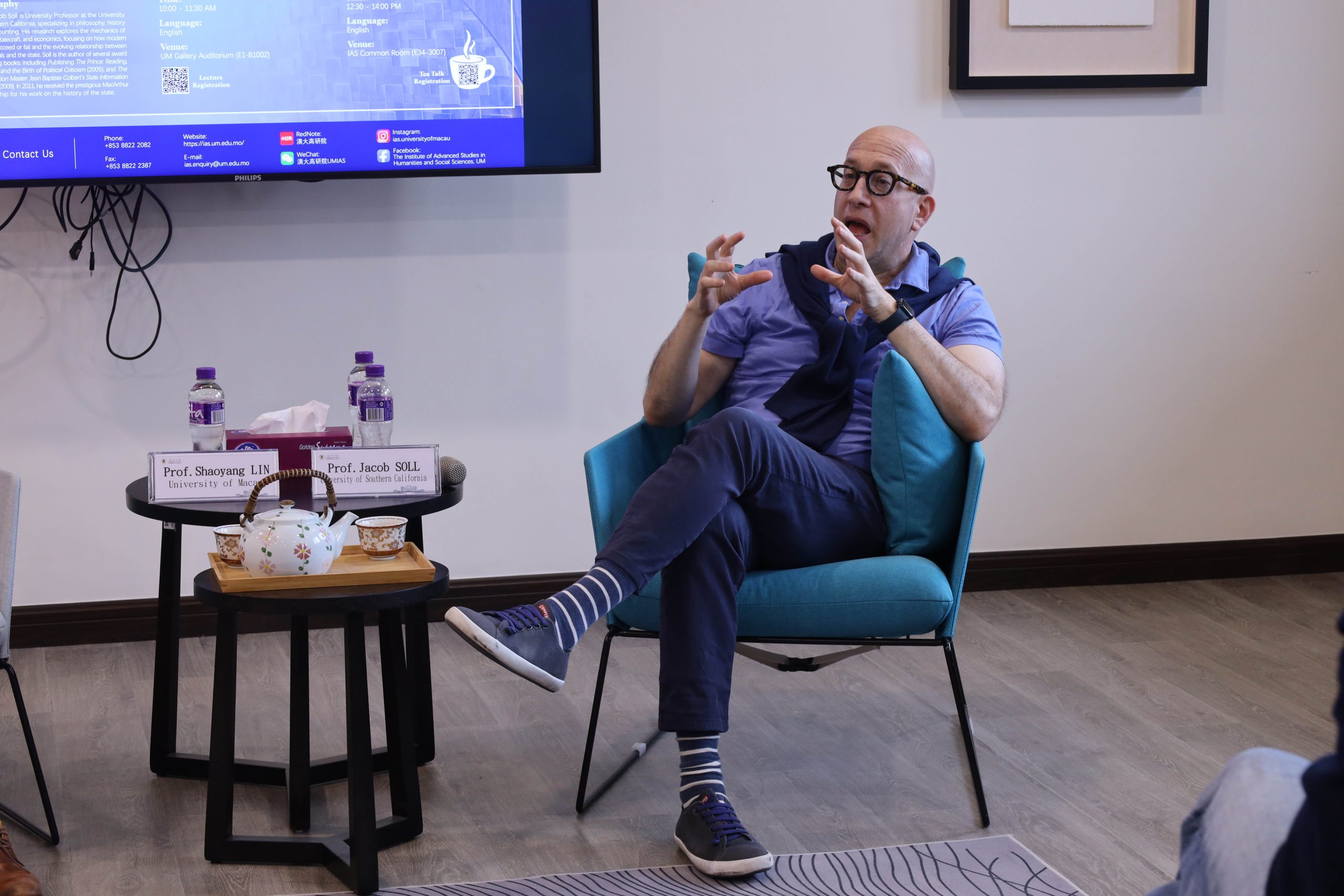
This event adopted an informal format, centering on in-depth communications and interactions among Professor Soll, UM scholars and students.Following the introduction conducted by Professor Lin, Professor Soll shared his academic career, his four influential books, along with discussions on the translation of Machiavelli, the intelligence system during the reign of Louis XIV, the role of accounting in national prosperity, and the intellectual history of free markets. Professor Soll emphasized the value of classic books and expressed concern about the general trend of how young people excessively rely on mobile phones and AI, pointing out that reading classical literature helps critical thinking, cultivate focus and cognitive perspective. Students actively shared their thoughts on reading, some noted classic books help people build connections with wisdom across the limitations of time and space, and some believed reading can enhance patience and concentration and discussed with Professor Soll how to balance professional learning and extracurricular reading.
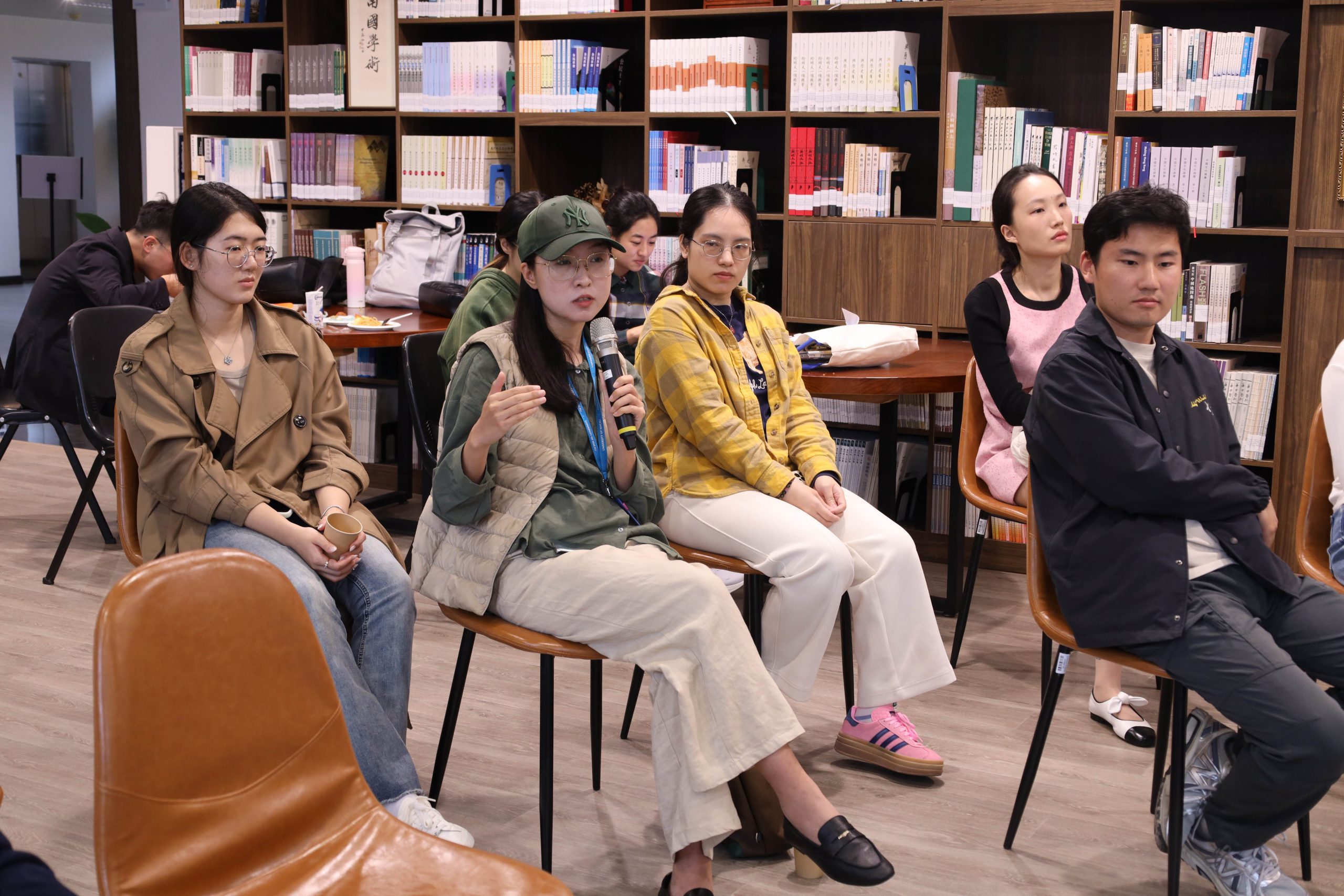
The Q&A session covered a variety of topics raised by UM scholars and students from different academic backgrounds, including cultural perspective differences, parallels between the print and AI revolutions, balancing academic rigor and public communication, history as a major or minor, and global trends of the antique art market. Professor Soll responded with rich cases and insights, emphasizing the irreplaceable role of humanities in this AI era.
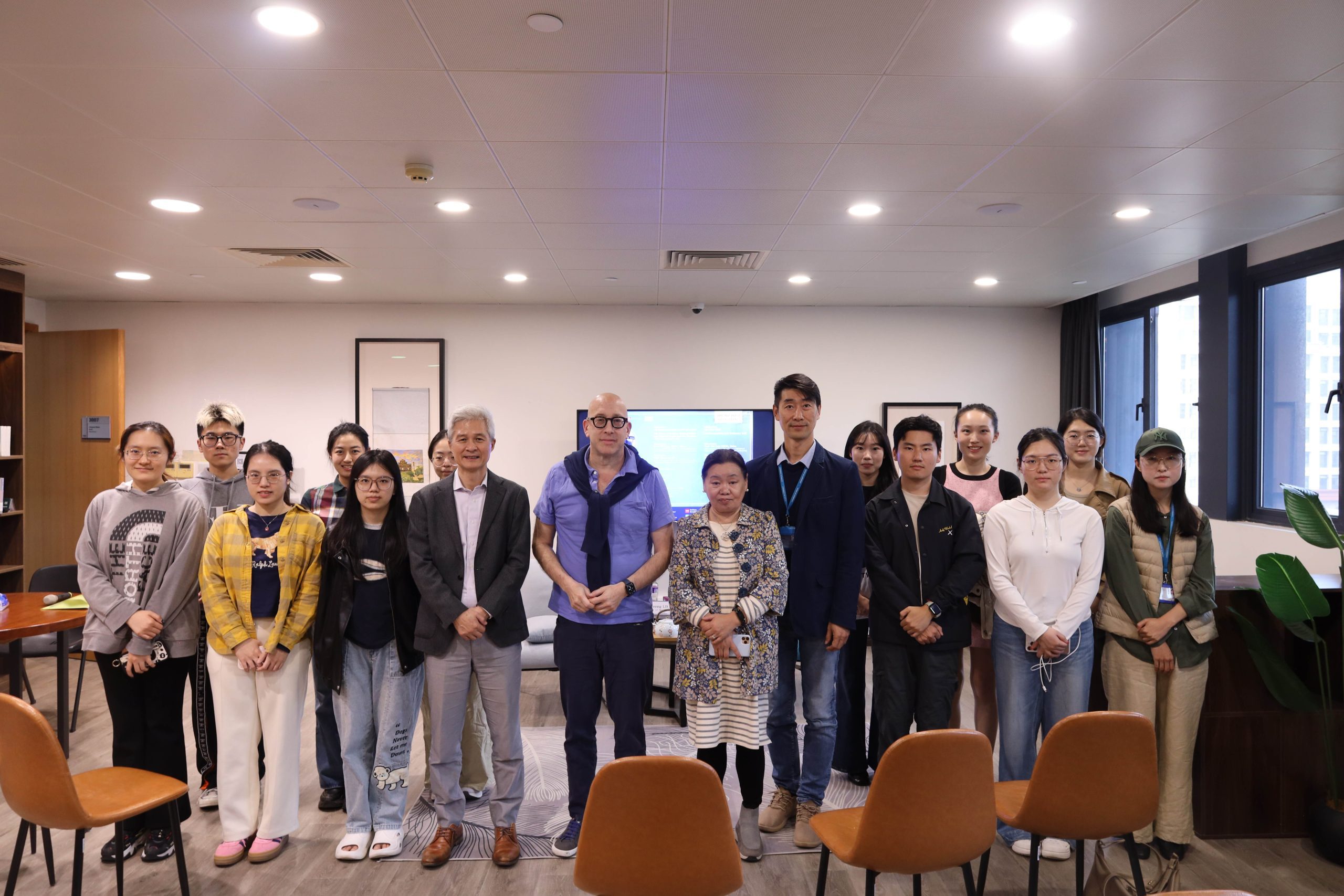
This tea talk attracted graduate students from different faculties of UM, including Faculty of Arts and Humanities, Faculty of Law, Faculty of Business Administration and Faculty of Social Sciences. The session concluded with a group photo, promoting cross-generational and interdisciplinary ideological exchanges, and inspiring students to reflect on the value of humanities and the significance of literature in contemporary technical and new media environments.